


Don’t gamble disabled lives on an unfit 'Assisted Dying' Bill
Equality cannot simply mean giving everyone an equal opportunity to access death, writes Marsha de Cordova MP

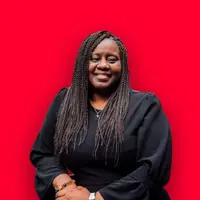
As a woman living with sight loss, I know something of the challenges disabled people in this country face on a daily basis.
Listen to this article
That’s why I have spent much of my political life campaigning for disabled people's right to have access to the support they need - not just to survive, but to live full and fulfilling lives. But I also know how often people slip through the cracks in the failing social care system, are impoverished by mounting care costs, and face a postcode lottery when it comes to access to vital services.
When you know or have experienced the reality that disabled people in this country face, you know you cannot support the “assisted dying” Bill.
The bill, which MPs will debate and vote on at Second Reading on Friday 11 September, has raised serious new concerns among disabled people and disability rights experts since it was last debated in the Commons in 2025. On paper, it would allow terminally ill adults with less than six months to live to have their lives voluntarily ended with help from the NHS. We are told it is all about having a “free choice”. But in reality, choices don’t take place inside a vacuum - they are influenced by a person’s context, the care they have access to, and what the alternatives may be.
The Government's own, newly updated equality impact assessment on the bill, published recently, made clear that there is evidence that disabled people may be more susceptible to feeling like a burden on those around them. This pressure can sometimes be made explicit - disabled people are twice as likely to be victims of domestic abuse, including coercive behaviour. For clarity, this is not a campaigning claim, but the Government’s own assessment of the public safety risk for disabled people. Being told that one is too needy, that one’s care is too expensive, and that the accommodation required is too burdensome on one’s partner could put a disabled person in the position of deciding to end their life prematurely when they might otherwise not have done so. The supposed “safeguards” in the bill are a feeble attempt to reassure us that doctors will truly be able to detect months or even years of subtle abuse that led a terminally-ill person to think it best to resort to a premature death.
In fact, the safeguards are weaker still because this pressure does not necessarily always come from another person. It may arise from attitudinal barriers, a lack of appropriate services and support, neglect, poverty or difficult living conditions. These challenges are a reality for vast numbers of disabled people across the country.
Disability Rights UK has put the issue starkly: disabled people are not currently "assisted to live" in Britain. The organisation warns that if this bill becomes law in this current societal context, it could be easier in practice to access assisted dying than adequate housing or social care. Where disability intersects with other vulnerabilities like race, the likelihood of facing barriers to accessing good health and social care is troublingly amplified, while aggravating factors like poverty and discrimination are exacerbated, as the updated impact assessment newly acknowledged. When it comes to our most vulnerable friends and neighbours, an assisted death may not be a “free choice”, but rather a consequence of systemic discrimination and inequality. How bleak this is, and what an indictment of attitudes in our society that this has, to date, been deemed an acceptable risk.
This is why the current condition of our health and social care system matters so much. The Health and Social Care Committee concluded earlier this year that palliative and end-of-life care in England is inadequate, under significant pressure and subject to a "postcode lottery". It identified problems with funding, workforce numbers, data, social care and the sustainability of the existing model. The Government's equality assessment of the assisted dying bill records that more than 1,300 GP practices closed between 2015 and 2024, while the BMA estimates that a full-time GP is responsible for 2,187 patients in 2026. Stretched services can make access to both healthcare professionals and palliative care more difficult.
Yet into this environment Parliament is being asked to introduce a new legal route to death.
The bill's supporters will say that palliative care remains an option even if assisted dying is introduced. But a person facing months of delay for care, unable to secure adequate support at home, or watching their family struggle under the burden of unpaid care may technically be offered alternatives while having very few meaningful alternatives in practice.
The public understands the need to sequence care improvement first. A poll of over 10,000 British adults found that 60% agreed with Andy Burnham’s own stated position: Parliament should prioritise fixing the NHS and improving palliative, social and end-of-life care before considering assisted dying. Just 19% disagreed. The constituency-level modelling found a majority taking that position in every parliamentary constituency in Great Britain.
Of course, I do not believe everyone who supports this bill is acting out of ill-intent towards disabled people, but Parliament has a particular responsibility when legislation could have irreversible consequences for people who already experience inequalities. Equality cannot simply mean giving everyone an equal opportunity to access death. It must mean giving disabled people an equal opportunity to access health care and support, and to live with dignity and independence.
____________________
Marsha de Cordova is the Member of Parliament for Battersea. She served as the Shadow Secretary of State for Women and Equalities from 6 April, 2020, to 15 September, 2021.
LBC Opinion provides a platform for diverse opinions on current affairs and matters of public interest.
The views expressed are those of the authors and do not necessarily reflect the official LBC position.
To contact us email opinion@lbc.co.uk