


Illegal children's homes are exploiting a crisis in care. We must act now
A shortage of suitable placements for vulnerable children has attracted some people motivated purely by profit, writes Chief Inspector of Ofsted Sir Martyn Oliver

When we think of a child in care, Tracy Beaker from the popular Jacqueline Wilson books and TV adaptation often comes to mind.
Listen to this article
For many, Tracy Beaker was the only window into life in care, and children’s homes specifically. But the lived reality of the estimated 82,000 looked-after children in England today is very different. For a start, around two in three looked-after children live with foster carers. It would be rare now to find a children's home like the one depicted in the series, with several children who don't have complex needs. I feel certain that if Tracy were a looked-after child in 2026, she would be placed with one of the thousands of foster carers up and down the country doing a fantastic job of caring for children. In fact, Tracy did move into foster care at the end of her story.
As Chief Inspector of Ofsted, I want to understand the real-life experiences of children living in all types of social care provision, and I want to hear about it in their own words. Alongside hearing directly from children during our inspections, we send a survey every year to children living in foster care, boarding schools, supported accommodation and children's homes. We ask if they feel safe. Do they feel listened to? Do they spend time with people who are important to them?
The responses help us spot trends that inform our inspection and regulatory activity. More widely, they underpin a core belief at Ofsted: that every child should feel safe, every child should feel listened to and - whether they live with their family or not - every child should spend time with people who matter to them.
We had over 8,000 responses to this year’s survey, and, broadly, children's experiences are positive. While we do hear some concerning experiences, the common themes are that children feel at home, they feel cared for and that whatever type of provision they’re living in, it’s been beneficial to their wellbeing.
But I know we're not getting the full picture. Missing are the voices of children placed in illegal homes; homes that are not registered with Ofsted and therefore avoid regulatory or independent scrutiny, yet on any day hundreds of children are living there.
Worryingly, we don't know the true scale of the problem, only that these children are among the most vulnerable in our society. Local authorities are already grappling with a shortage of suitable placements in foster and kinship care, alongside growing numbers of older children with complex needs. Some of these children are subject to deprivation of liberty orders and need intensive therapeutic care with round-the-clock supervision. Because the support and oversight they require is so intensive, they are often placed alone or with only one other child. For them, a children's home is not just the better option, but often the only one.
You'd think this would be easy to solve. An estimated 5,000 empty beds sit vacant in children's homes across England, and every day Ofsted is swamped with applications to register new ones. The trouble is that most of these homes don't meet the needs of the children waiting for a place. Only 6% of the applications we receive are intended to care for children with the most complex needs, and are in the areas we need them most. As a result, children are being sent hundreds of miles from where they're from and, crucially, far from the people who matter to them.
It's in these circumstances that a shadow market of unregistered homes has emerged. A shortage of suitable placements for vulnerable children has attracted some people motivated purely by profit, drawn by the thousands of pounds a week that desperate local authorities are prepared to pay for individual children in their care. We have no idea what standard of care these homes provide, and no way of checking that children are safe there. They have no independent regulatory oversight, no guaranteed checks on staff or living conditions, and no accountability when things go wrong.
Our inspectors have discovered children placed by local authorities in Airbnbs and hotel rooms. They’ve found children being looked after by staff with no experience in childcare and who have not been checked for a criminal record. We’ve heard concerns about the interface between organised crime and illegal children's homes - as a source of finance or money laundering.
We’re doing everything we can to make sure we go after the people operating these homes. We recently secured our first successful prosecution of an unregistered children's home provider, a significant milestone. We will continue to use our powers to investigate and, where appropriate, prosecute. We’re building a new Ofsted team, including former police officers, dedicated to pursuing criminal investigations, and we now have new powers to issue financial penalties against anyone running or managing an unregistered children's home.
But we cannot prosecute our way out of this problem. To end the scourge of illegal homes, we need to work collectively to ensure there are enough suitable placements, in the right areas. The government is providing £88 million in funding for new foster places and, under the Children’s Wellbeing and Schools Act, has created a new form of home for children needing intensive therapeutic support. When these are in place they will help reduce reliance on illegal or unsuitable placements.
Local authorities, who have overall responsibility for children in their care, also need to work to end their use of unregistered homes. To help them, we're now prioritising applications for homes in the areas where they're most needed. When we inspect local authorities, we want to see children supported to stay with their extended families through kinship care, placed with foster carers where that's right for them, and, where residential care is the best choice, placed in safe, registered children's homes. We will call out poor practice and share best practice, to end the use of illegal homes once and for all.
The survey we send to children each year asks about the basic expectations for a child in care's experience: a stable place to call home, safe landings, plans for the future, and nurturing relationships that last. These are things that, for whatever reason, may have been missing from their lives so far. That is the reality we should all be determined to secure for every child in care.
____________________
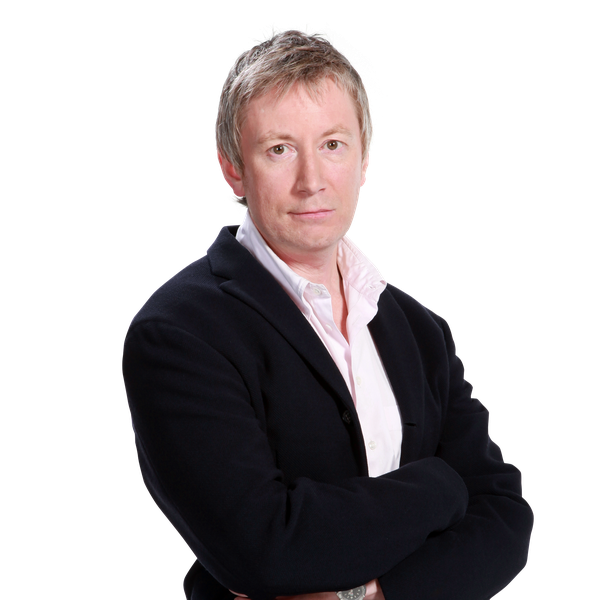
Sir Martyn Oliver is His Majesty's Chief Inspector at the Office for Standards in Education, Children's Services and Skills (Ofsted).
LBC Opinion provides a platform for diverse opinions on current affairs and matters of public interest.
The views expressed are those of the authors and do not necessarily reflect the official LBC position.
To contact us email opinion@lbc.co.uk